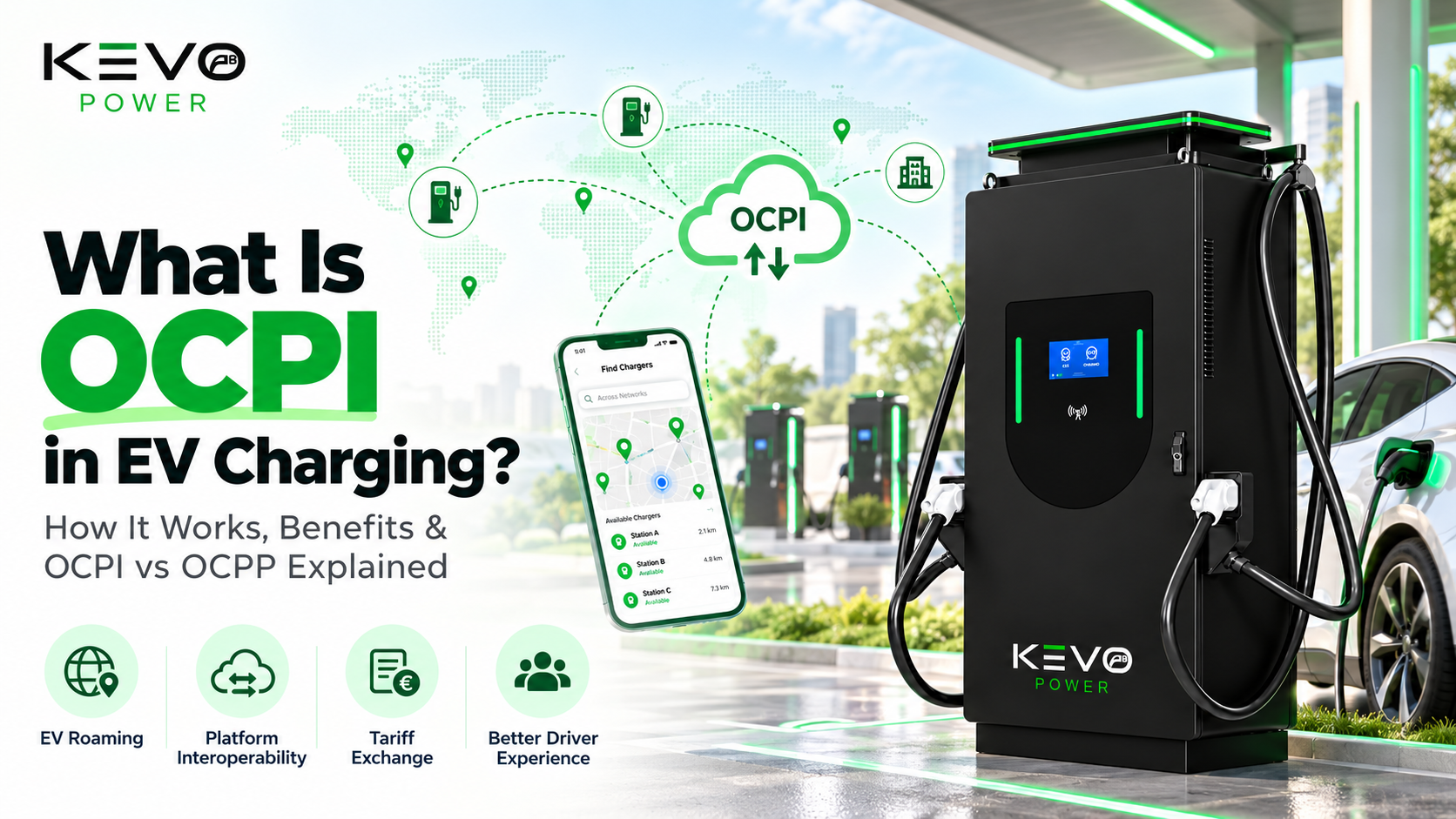
As electric vehicles become more common, charging infrastructure must do more than deliver power. Drivers also need to find stations, view availability and prices, authorize sessions, and charge across different networks. OCPI in EV charging helps make this possible by enabling standardized data exchange between charging service platforms.
This guide explains what OCPI is, how it works, its main functions, the difference between OCPI and OCPP, and why the protocol matters for commercial EV charging networks.
What Is OCPI in EV Charging?
OCPI stands for Open Charge Point Interface. It is an open protocol developed and maintained by the EVRoaming Foundation to support interoperability between organizations in the EV charging ecosystem.
OCPI mainly connects two types of participants:
Charge Point Operators
Charge Point Operators, or CPOs, operate and manage charging infrastructure. Their work can include maintaining stations, monitoring availability, setting tariffs, and managing charging sessions.
eMobility Service Providers
eMobility Service Providers, or eMSPs, provide services directly to EV drivers through mobile apps, memberships, RFID cards, or other user-facing tools. An eMSP may give customers access to stations operated by several independent CPOs.
OCPI gives these organizations a standardized way to exchange station locations, connector availability, tariffs, authorization data, session information, and charging records. In simple terms, it helps different EV charging networks communicate with each other.
How Does OCPI Work in EV Charging?
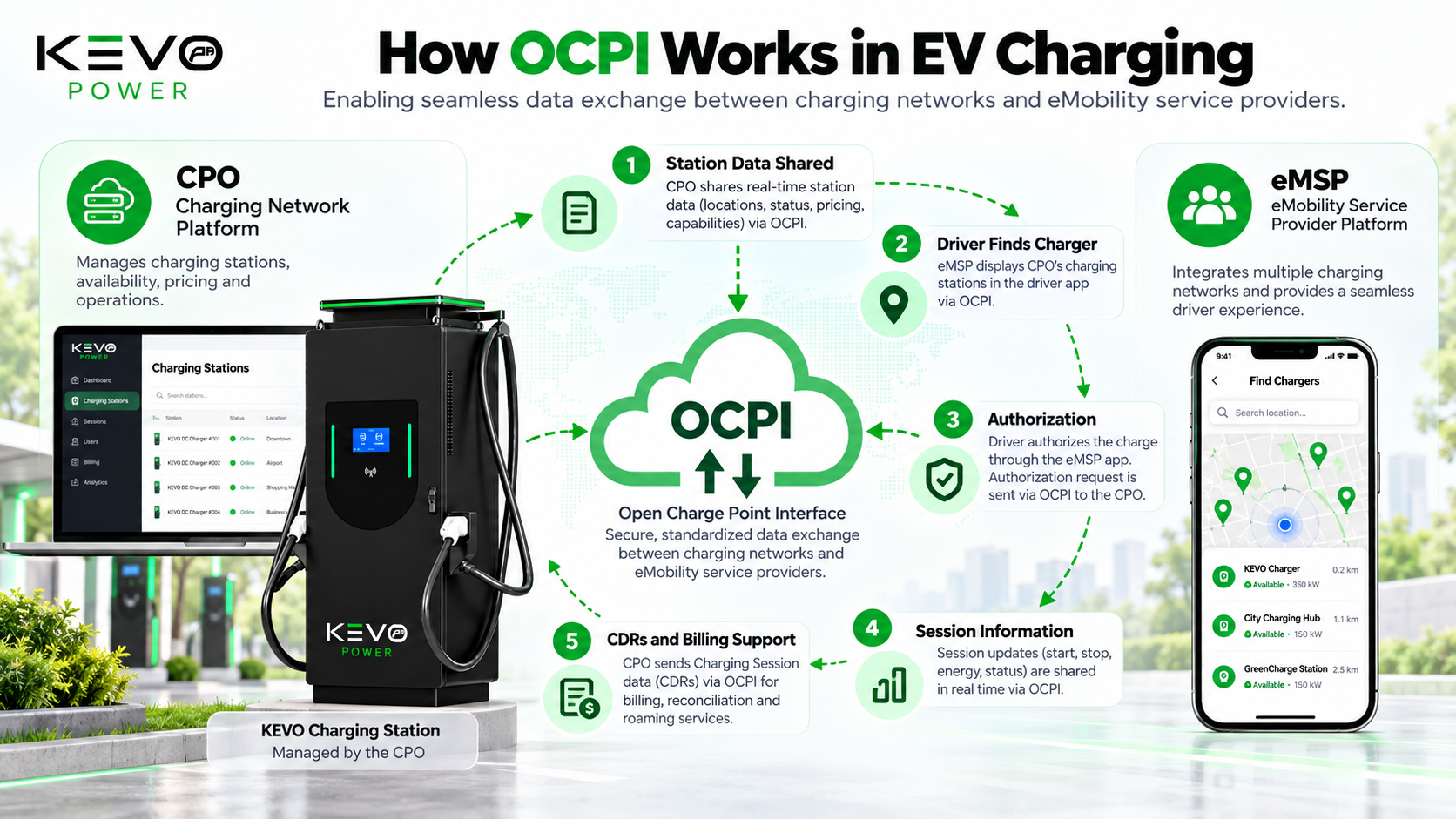
OCPI supports data exchange between charging platforms. Depending on the commercial arrangement, organizations may connect directly or through a roaming hub.
1. Charging station information is shared
A CPO can share station locations, supported connectors, reported status and availability, charging power information, and applicable tariffs with an eMSP.
2. The driver finds a charging station
The driver uses an eMSP application to view participating stations, connector details, availability, and pricing information before selecting a location.
3. Charging authorization takes place
Authorization may use an RFID card, mobile application, supported remote-start command, or another compatible method. OCPI exchanges authorization-related information while the charger and backend coordinate the actual session start.
4. Session information is exchanged
During charging, supported data may include session status, timestamps, energy consumption, and transaction-related information.
5. Charging records support billing and settlement
After the session, the CPO can provide a Charge Detail Record containing session identification, start and end times, energy consumed, tariff information, and costs. Actual payment processing and settlement depend on separate systems and commercial agreements.
Key Features of the OCPI Protocol

Locations and availability
The Locations module lets networks exchange charging station locations, connectors, capabilities, and availability. Accuracy depends on the connected systems and update mechanisms.
Tariff information
The Tariffs module supports structured exchange of energy-based rates, time-based fees, parking or idle-related charges, fixed fees, and relevant conditions. Final customer prices may also depend on eMSP policies, taxes, and commercial arrangements.
EV charging roaming and authorization
Roaming allows customers of one service provider to use stations on another participating network. OCPI supports the authorization and information exchange required for these arrangements, subject to agreements and system compatibility.
Session management
The Sessions module can exchange identifiers, charging status, timestamps, energy consumption, and cost information where implemented.
Charge Detail Records
The CDRs module shares completed transaction records for billing, reconciliation, and partner settlement processes. OCPI itself is not a complete payment gateway.
Remote charging commands
The Commands module may support remote-start and remote-stop requests between authorized platforms. The CPO backend normally communicates with the physical charger to execute supported commands.
OCPI vs OCPP: What Is the Difference?

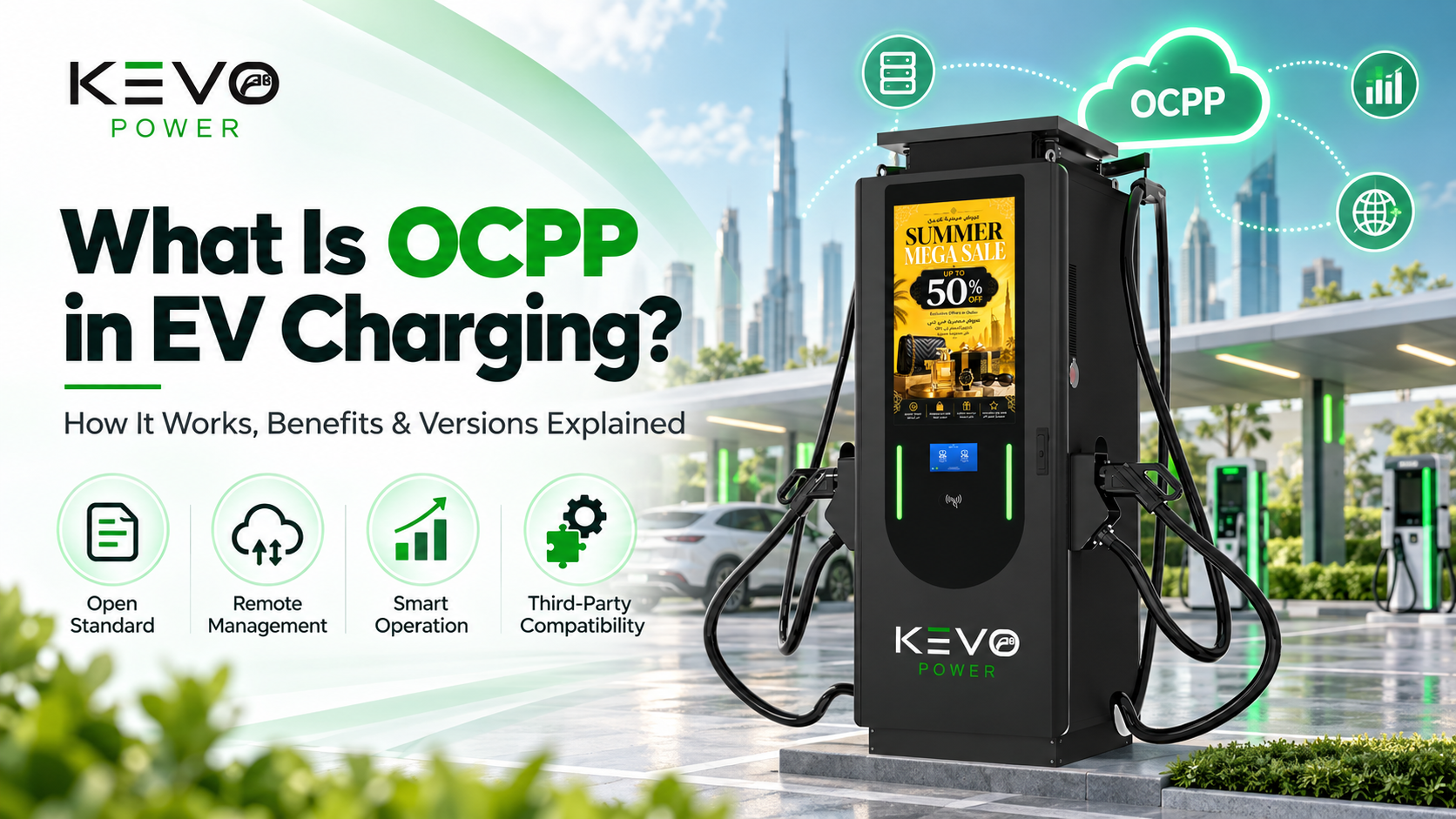
OCPI and OCPP are important but distinct protocols. OCPP, or Open Charge Point Protocol, primarily connects an EV charger to a Charging Station Management System. OCPI primarily connects CPO platforms, eMSPs, and other charging service organizations.
- OCPP: EV charger ↔ charging management system
- OCPI: CPO platform ↔ eMSP or roaming platform
A commercial DC fast charger may use OCPP to report operating data to its management backend. That CPO platform can then use OCPI to share station availability, tariffs, authorization, and session information with external service providers. The two protocols are complementary rather than competing.
For a deeper introduction to charger-to-backend communication, read What Is OCPP in EV Charging and How Does It Work.
Why OCPI Matters for Commercial EV Charging Networks
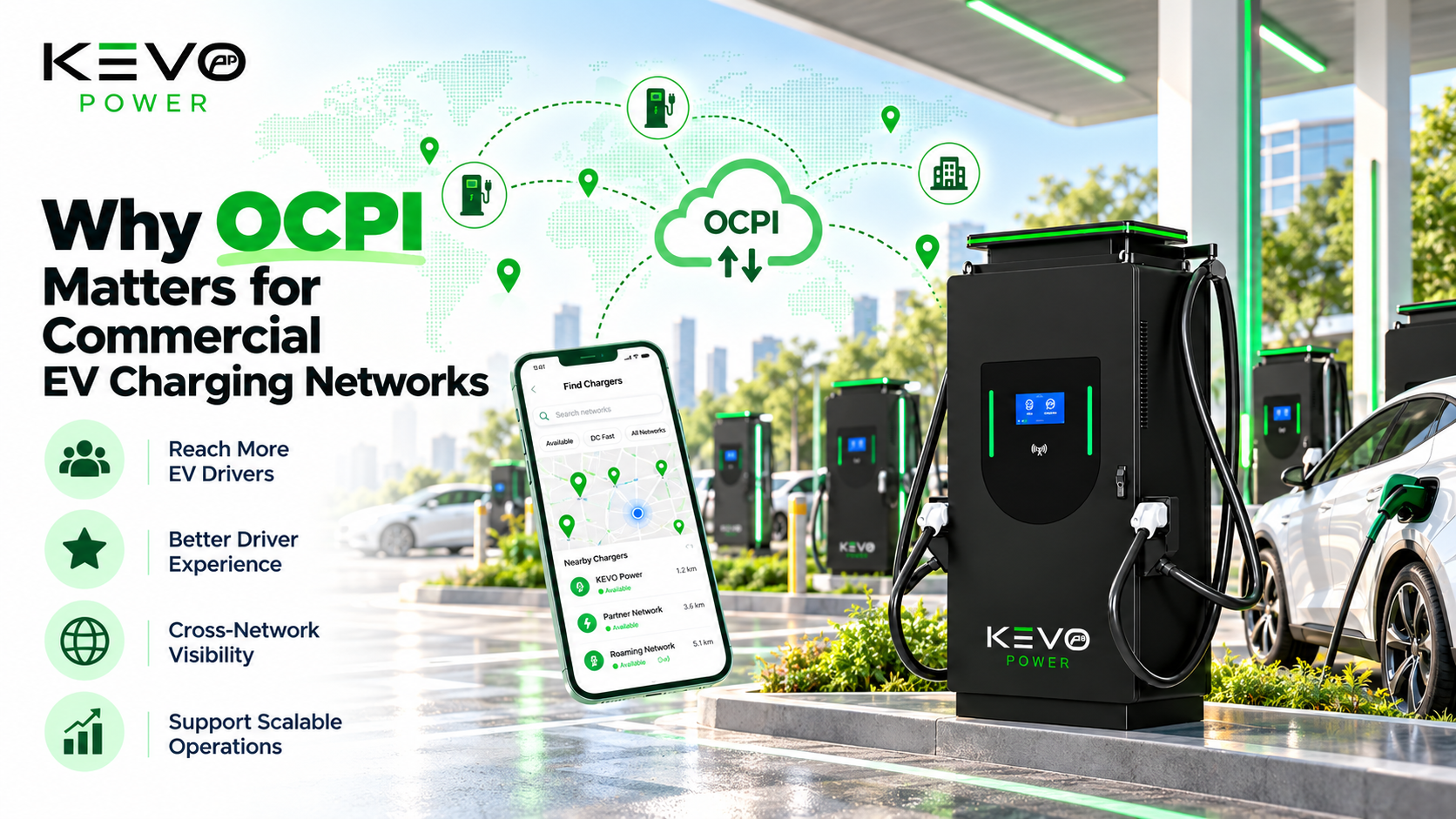
Reach more potential EV drivers
Compatible roaming arrangements may expose a charging station to users of other service platforms and increase network visibility. Actual utilization and revenue still depend on location, demand, pricing, uptime, and commercial agreements.
Improve the driver experience
Drivers may use a familiar application or credential across several participating networks instead of registering with every operator separately.
Support multi-network services
Standardized interfaces can reduce the need for custom point-to-point integrations, although contracts, security reviews, testing, and compatibility checks remain essential.
Improve operational efficiency
Automated exchange of locations, tariffs, authorization data, sessions, and charging records can reduce manual coordination between partners.
Support network expansion
Operators entering new regions or partnerships can use interoperability standards as part of a scalable software and commercial strategy.
Where Is OCPI Used?
OCPI can support a wide range of commercial charging scenarios:
- Public DC fast charging stations: helping drivers from participating mobility services discover and access stations.
- Shopping malls and retail parking: improving station visibility through familiar charging apps.
- Hotels and destination charging: reducing friction for guests who already use another service provider.
- Highway charging networks: supporting station discovery, authorization, and transaction records across operators.
What Is the Latest OCPI Version?
As of October 2026, OCPI 2.3.0 is the current official version published by the EVRoaming Foundation. OCPI 3.0 is under development. Operators should confirm the version, implemented modules, supported extensions, security requirements, and interoperability testing with every software provider and roaming partner.
How OCPI Fits into Modern EV Charging Infrastructure
A successful charging network combines reliable hardware, a compatible charging management backend, service platforms, connectivity, and effective operations. OCPI handles information exchange between service organizations; it does not replace charger-to-backend communication.
- Charging equipment: physical chargers that deliver electricity to vehicles.
- Charging Station Management System: software that manages equipment, sessions, and supported operations.
- Network interoperability platform: an OCPI-capable CPO platform connecting to eMSPs or roaming hubs.
- Driver services: apps or other interfaces used to find and access participating stations.
Commercial EV Charging Solutions from KEVO Power
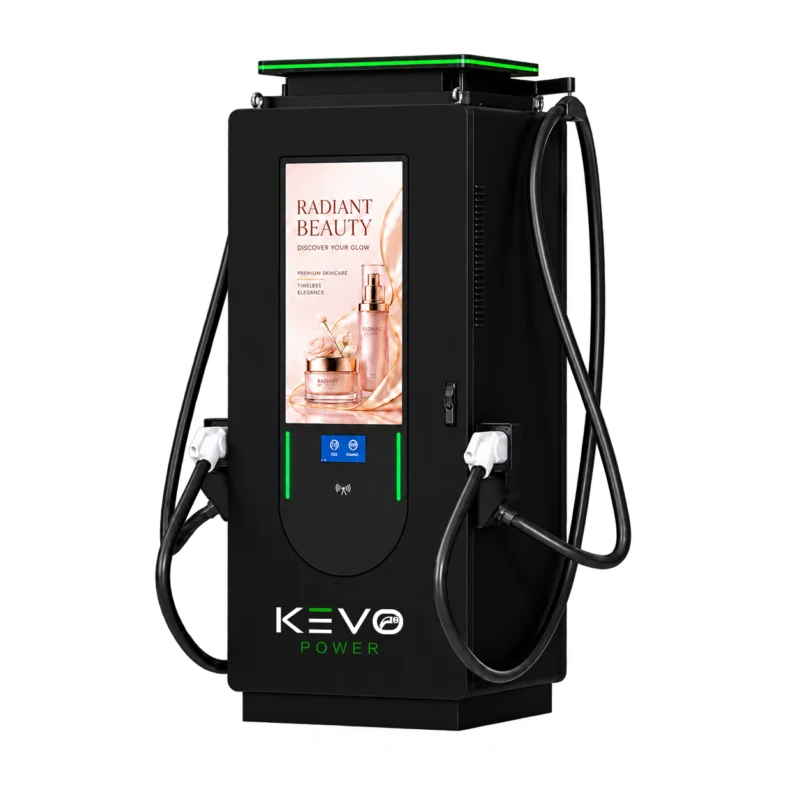
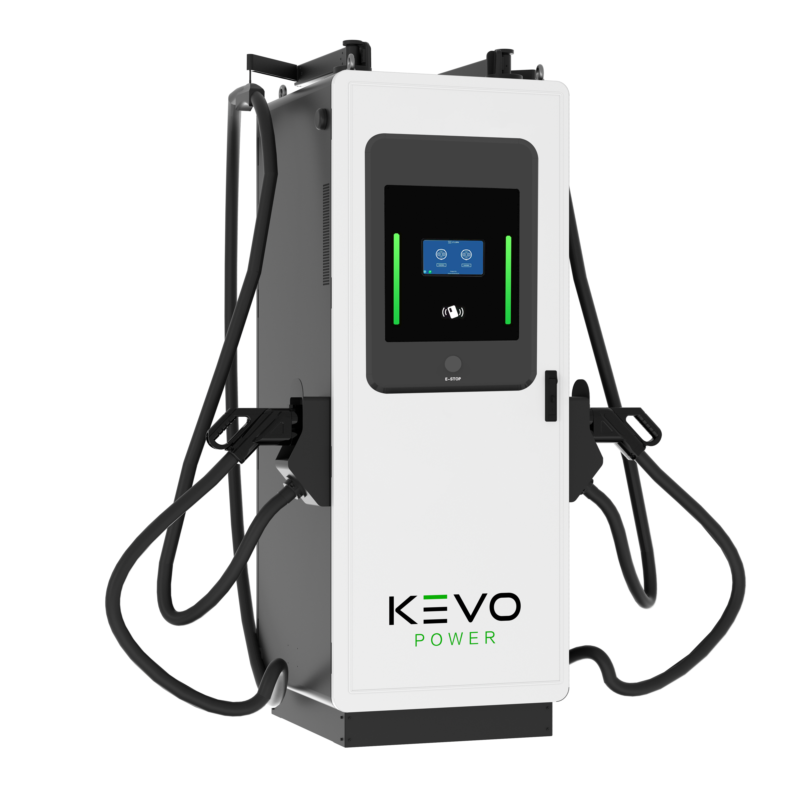
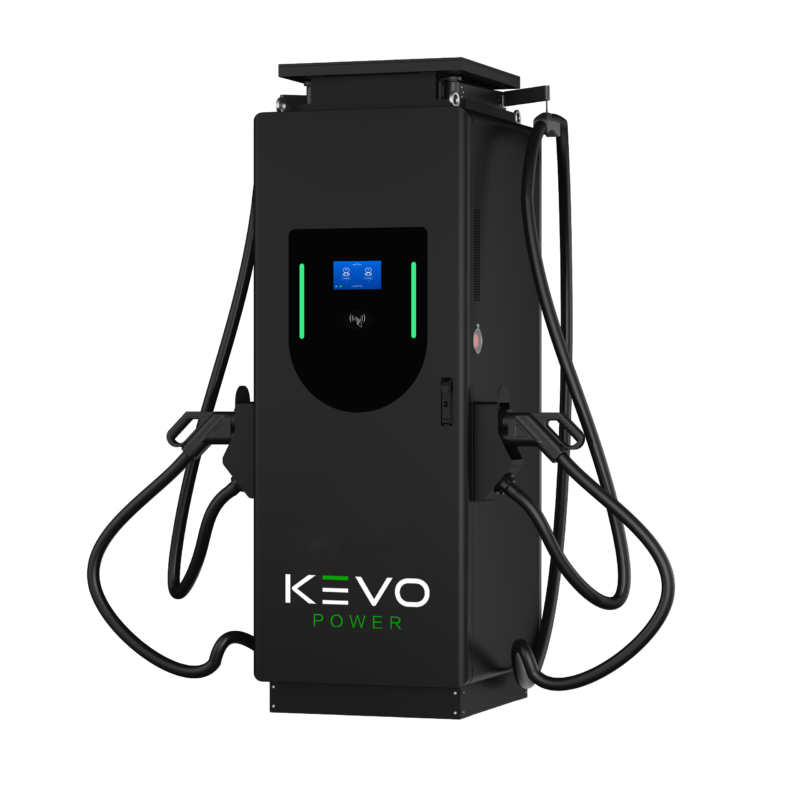
Businesses building public charging stations, commercial facilities, parking infrastructure, and highway charging sites need equipment that supports their operational goals. The KEVO Ultra DC Series VI offers 60 kW to 240 kW configurations and a 32-inch advertising display for commercial locations.
Because OCPI is generally implemented at the platform level, project developers should confirm the charger, management system, CPO platform, and external service providers are compatible with the intended architecture.
Contact KEVO Power to discuss charger configuration, backend compatibility, connectors, site requirements, and deployment plans for your next EV charging project.
Frequently Asked Questions About OCPI
What does OCPI stand for?
OCPI stands for Open Charge Point Interface, an open protocol for information exchange between EV charging service platforms.
What is the main purpose of OCPI?
Its main purpose is to support charging network interoperability through standardized exchange of locations, tariffs, authorization data, sessions, and charging records.
What is the difference between OCPI and OCPP?
OCPP mainly connects chargers to their management systems. OCPI mainly connects different charging service platforms.
Does every EV charging station need OCPI?
No. OCPI is usually implemented between backend platforms. Whether it is required depends on the business model, especially roaming needs.
Can OCPI increase charging station revenue?
It may expand station exposure through roaming partnerships, but performance still depends on demand, pricing, reliability, and commercial agreements.
Does OCPI process payments directly?
OCPI exchanges tariff and billing-related data, but payment processing and settlement generally involve separate systems.
Is OCPI only for DC fast charging?
No. OCPI can be used by interoperable networks containing both AC and DC charging stations.
Can OCPI and OCPP work together?
Yes. OCPP supports charger-to-backend communication, while OCPI supports communication between service platforms.
Conclusion
OCPI helps create a more connected EV charging ecosystem by enabling standardized communication between CPOs and eMSPs. Together with OCPP, reliable hardware, and compatible software platforms, it can support easier roaming, scalable network operations, and a better driver experience.
Looking for dependable commercial DC fast charging solutions? Explore the KEVO Ultra DC Series VI or contact our team.