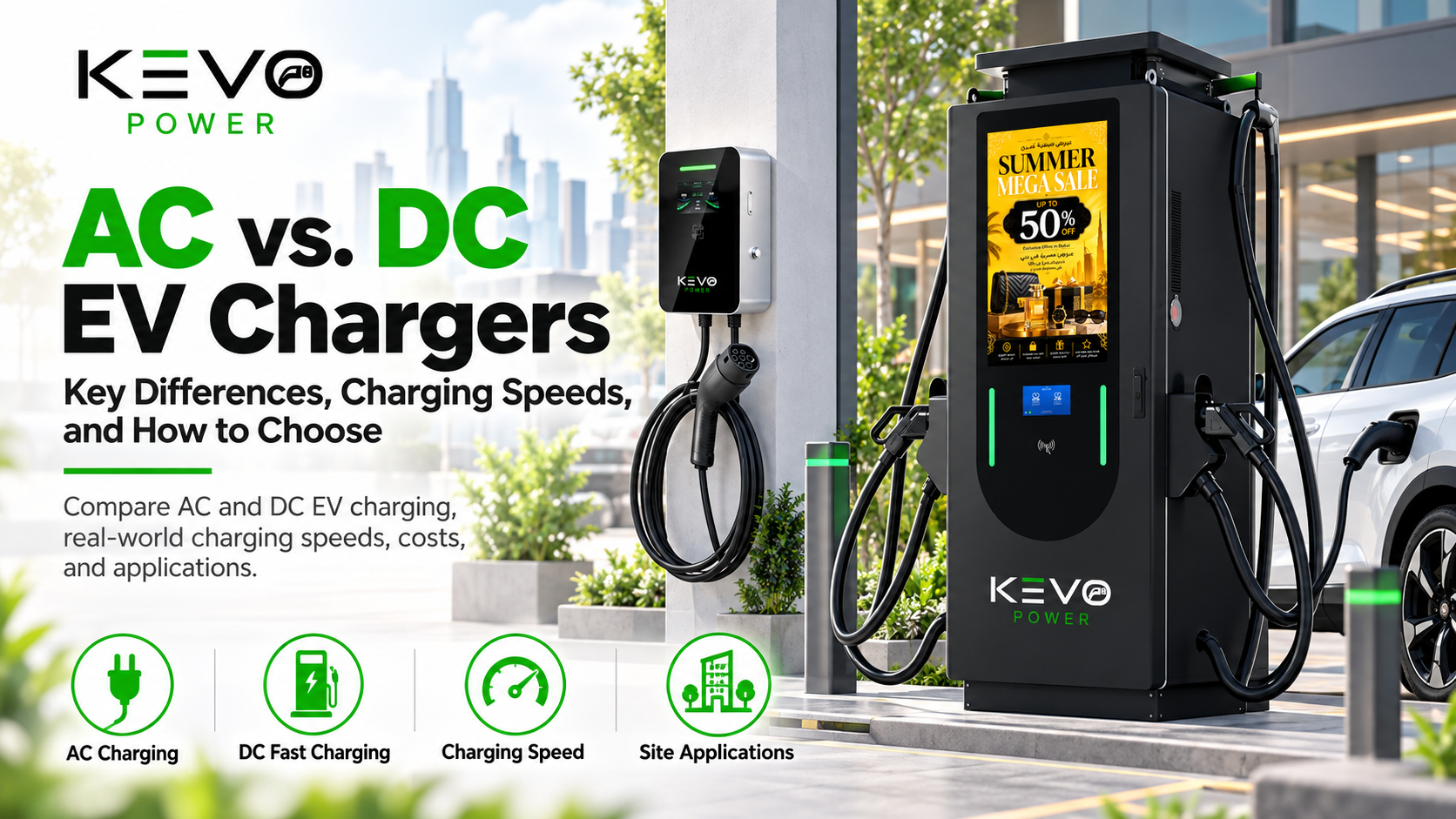
Bidirectional EV charging allows electricity to move between the grid, a charger and an electric vehicle instead of flowing only into the battery. This guide explains how V2G, V2H and V2B work, the components inside a bidirectional DC charger, and the checks commercial operators should complete before planning a project.

What is bidirectional EV charging?
Conventional charging follows a one-way path: grid to charger to EV. Bidirectional charging adds controlled reverse power flow, so stored energy can be supplied to the grid, a building or another local load when the vehicle, charger and energy-management system support it.
V2G, V2H and V2B explained

- V2G (vehicle to grid): exports energy to support grid balancing, peak management or other approved grid services.
- V2H (vehicle to home): supplies a compatible home during selected periods or backup operation.
- V2B (vehicle to building): coordinates vehicle energy with commercial building loads and on-site energy management.
These labels describe the destination of the energy. Actual operation depends on vehicle compatibility, local rules, connection agreements, battery limits and the control system.
How a bidirectional DC charger works
A bidirectional charger converts and regulates energy in both directions while keeping voltage, current and protection within the limits agreed by the vehicle and site. The control system coordinates the EV battery, grid connection, charging schedule and any export limits. Bidirectional EV charging projects should also align with the Open Charge Alliance guidance.

Key components
- Bidirectional AC/DC converter: manages conversion between grid AC and the charger DC bus.
- Bidirectional DC/DC converter: controls energy flow between the DC bus and the EV battery.
- DC-link capacitors: stabilize the DC bus during power conversion.
- Digital control and communications: coordinates vehicle, charger and energy-management commands, including applicable communication standards.
- Protection system: monitors faults such as overcurrent, overvoltage and overtemperature.
Bidirectional EV charging compared with conventional charging

Unidirectional charging is simpler and is suitable when the requirement is to charge vehicles from the grid. Bidirectional EV charging adds an energy-management layer and can support load shifting, backup strategies or grid-interactive operation. It also adds requirements for compatible vehicles, export controls, commissioning and system integration.
What must be checked before a V2G project?
- Vehicle acceptance: confirm the vehicle model, battery system and communication method support bidirectional operation.
- Electrical design: verify grid connection, protection, transformer capacity, metering and export limits.
- Software integration: define how the charger, CSMS, energy-management system and utility or aggregator exchange commands and measurements.
- Operating policy: set battery reserve, departure priorities, charging windows and limits on energy export.
- Safety and compliance: confirm local interconnection, cybersecurity, isolation and commissioning requirements.
KEVO Power DC Series VI for commercial charging projects

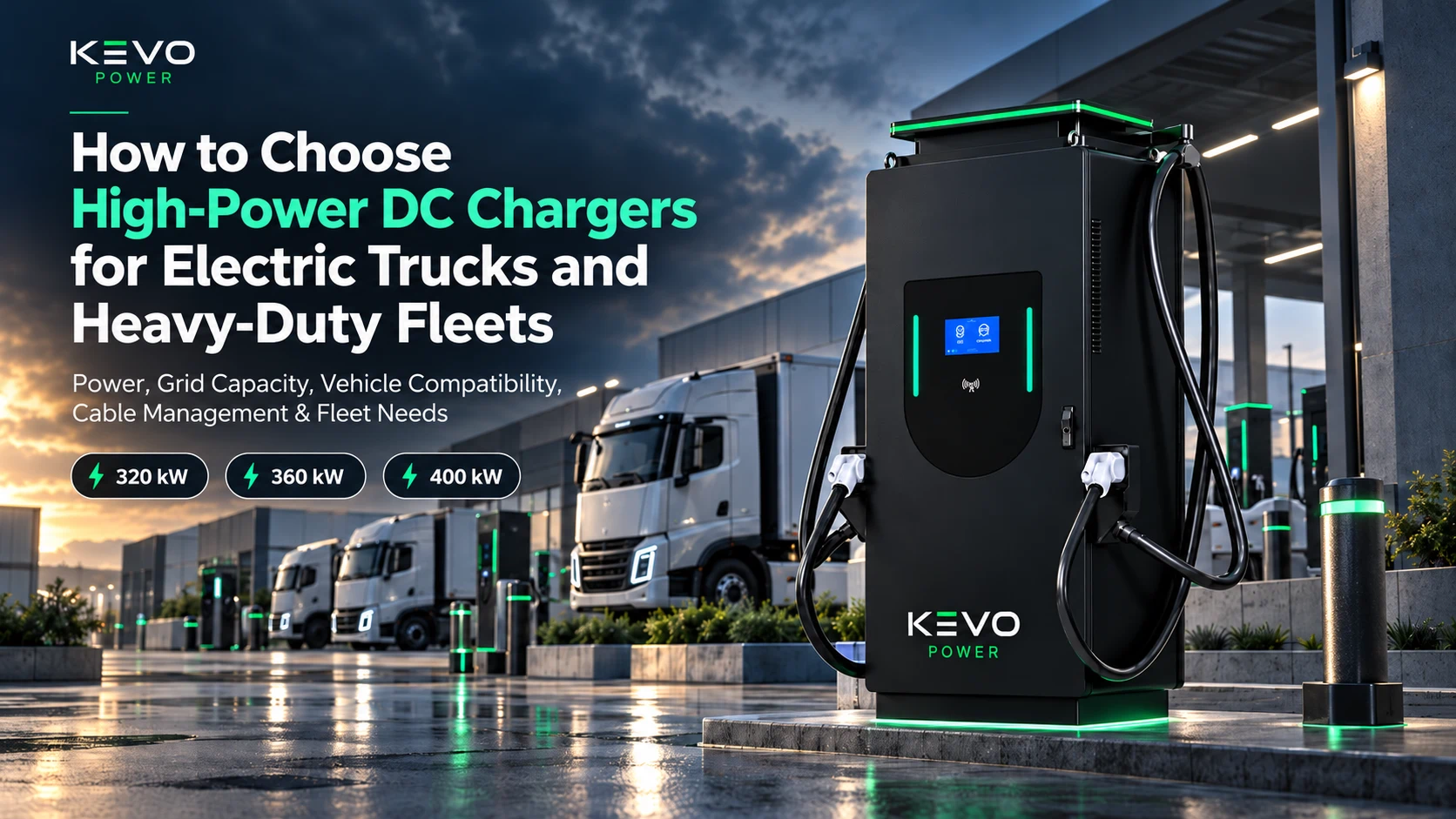
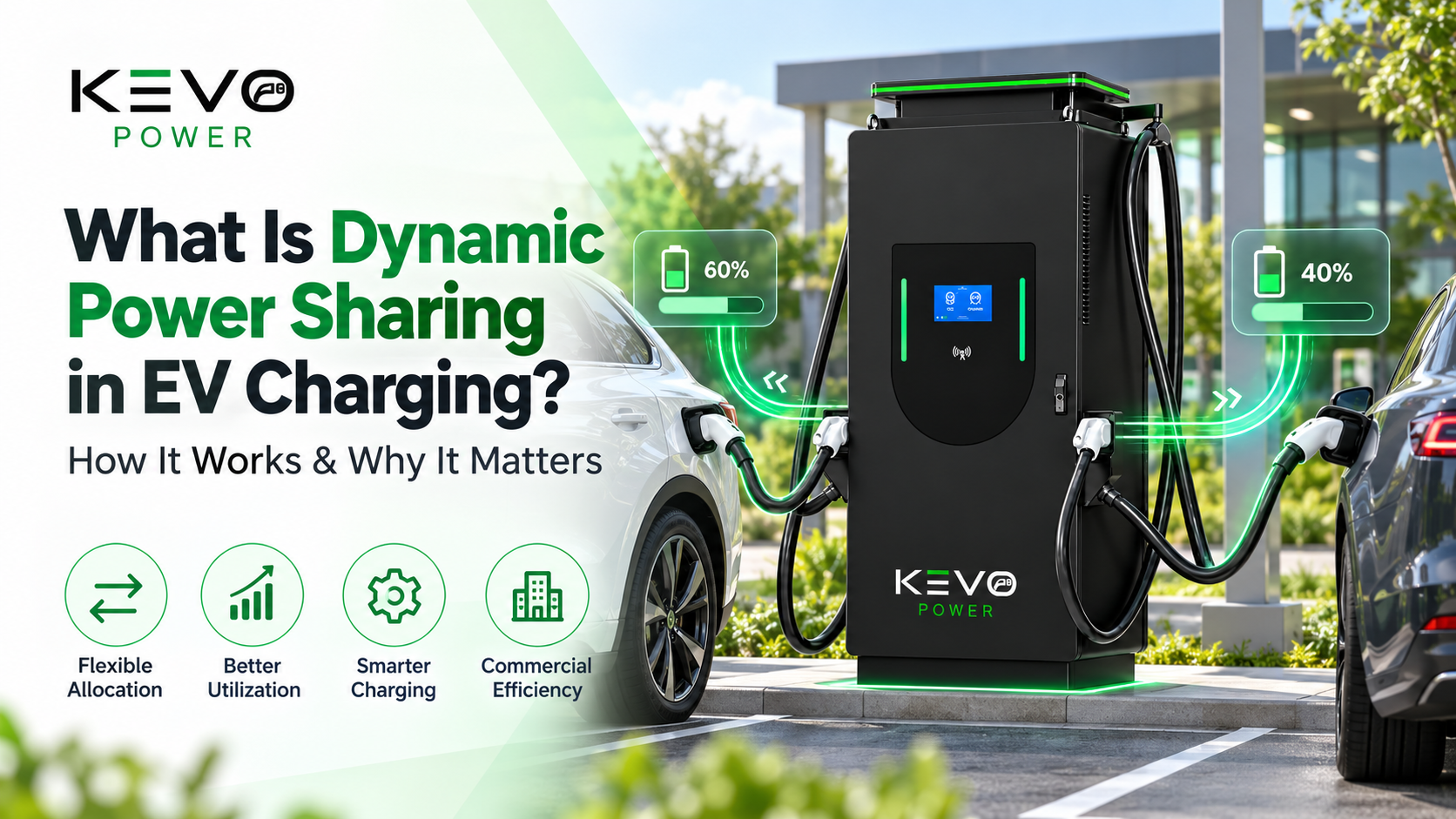
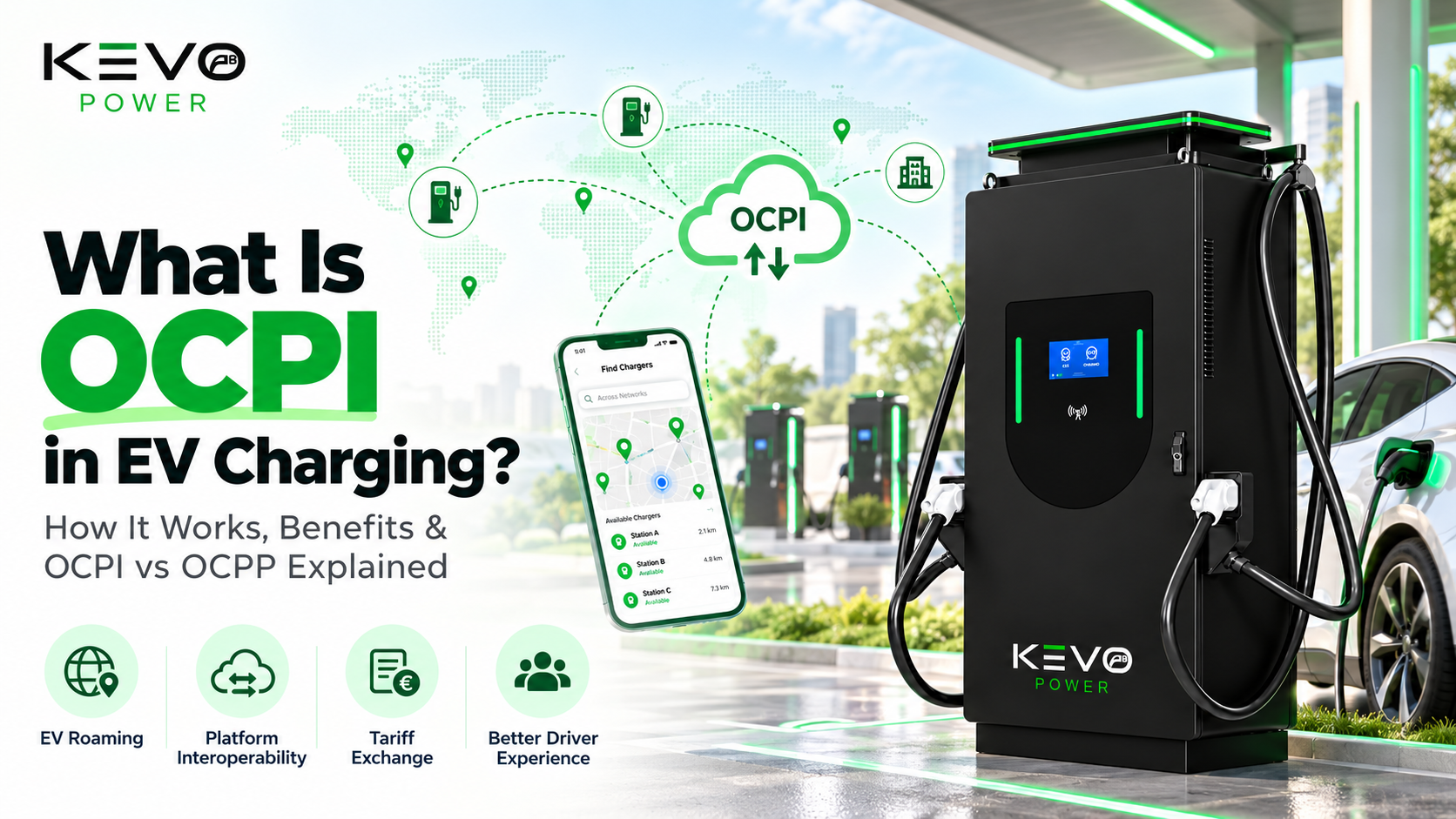
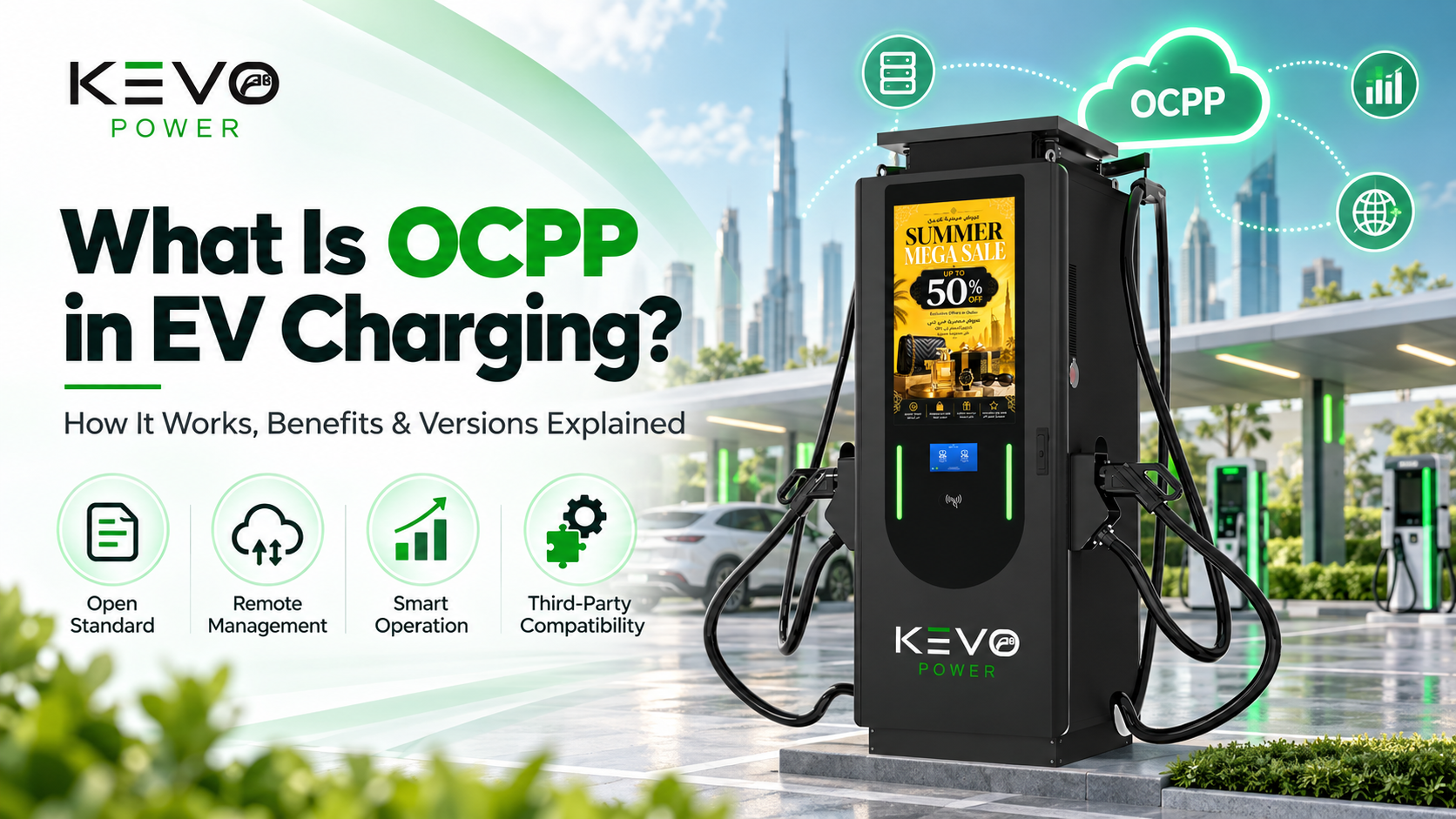
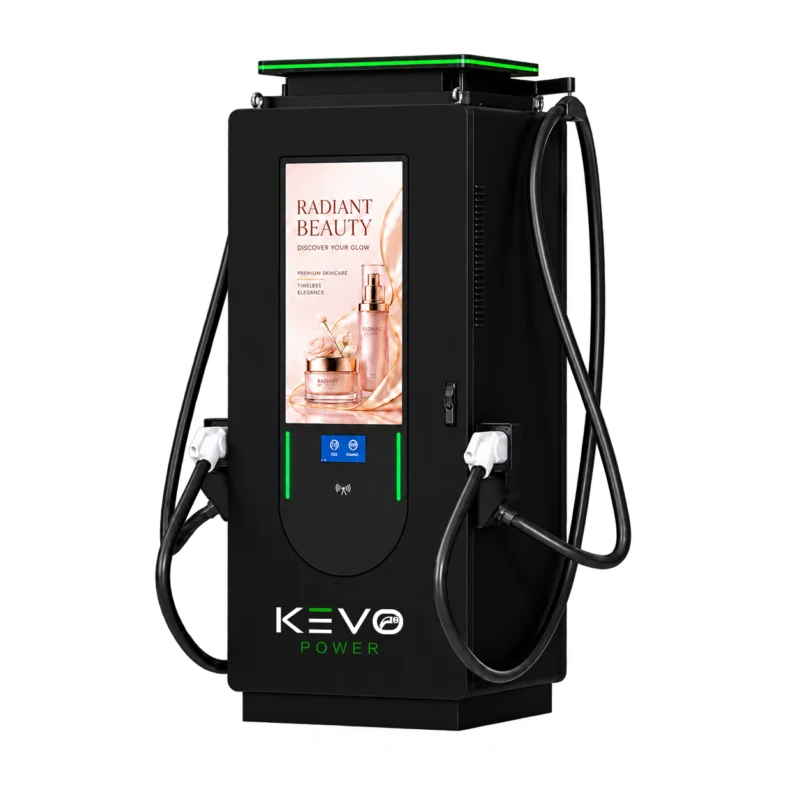
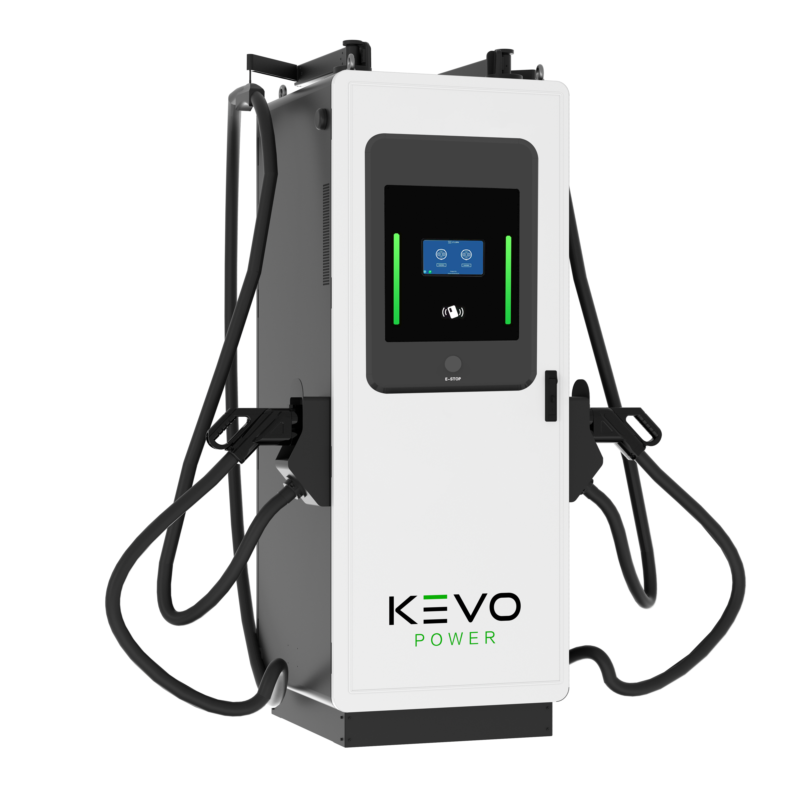
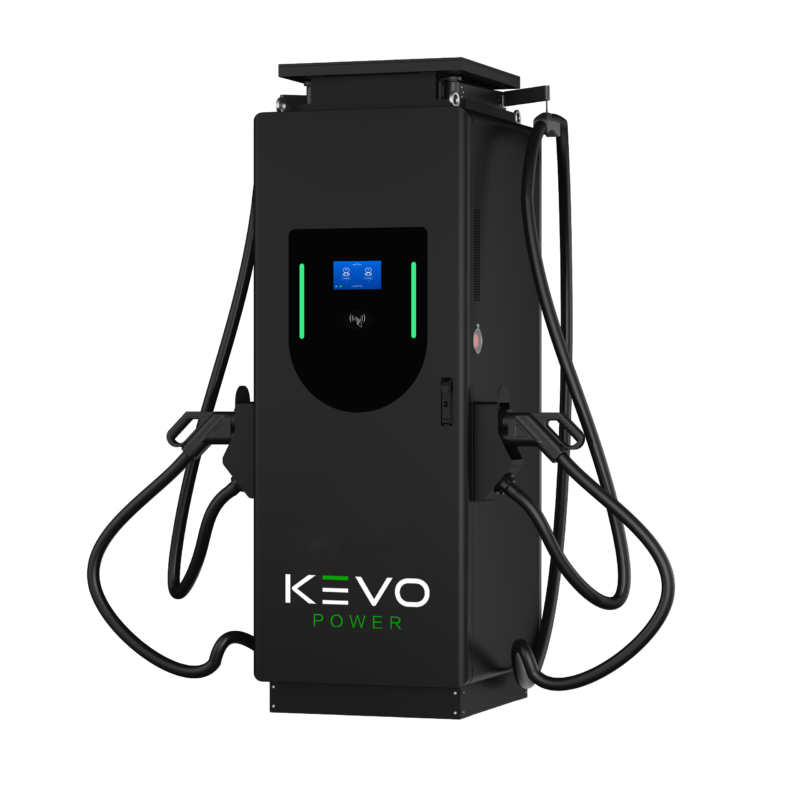
KEVO Power DC Series VI is a modular commercial DC fast-charging platform with configurable power options from 60 to 240 kW, OCPP 1.6J and 2.0.1 connectivity, and a 32-inch advertising display. For a bidirectional or V2G project, the exact configuration, compatible vehicle, bidirectional power hardware and system integration scope must be confirmed before purchase. The product image shows the available platform options; it is not a claim that every configuration is bidirectional.
For a project review, contact the KEVO Power team to confirm the target vehicle interface, power level, communication stack, site requirements and commissioning responsibilities. You can also review the EV charger datasheets or contact KEVO Power for a configuration discussion.
Frequently asked questions
Does every EV support bidirectional charging?
No. The vehicle, charger and control system must all support the selected bidirectional use case.
Is V2G the same as fast charging?
No. Fast charging describes power delivery speed. V2G describes controlled two-way energy exchange.
Can a bidirectional charger work without grid export?
Potentially, depending on the project design. V2H or V2B operation may use energy locally, but local electrical and safety requirements still apply.
What is the first step for a commercial project?
Define vehicle routes, energy demand, site capacity and the desired operating mode, then confirm compatibility with the charger and backend integrator.
Conclusion
Bidirectional EV charging can turn compatible EVs into flexible energy assets, but successful deployment requires more than a two-way power converter. Vehicle acceptance, electrical infrastructure, software controls, safety and commissioning must be designed together. With the right project inputs, KEVO Power can help buyers evaluate a commercial DC charging configuration and the integration work required for V2G, V2H or V2B.